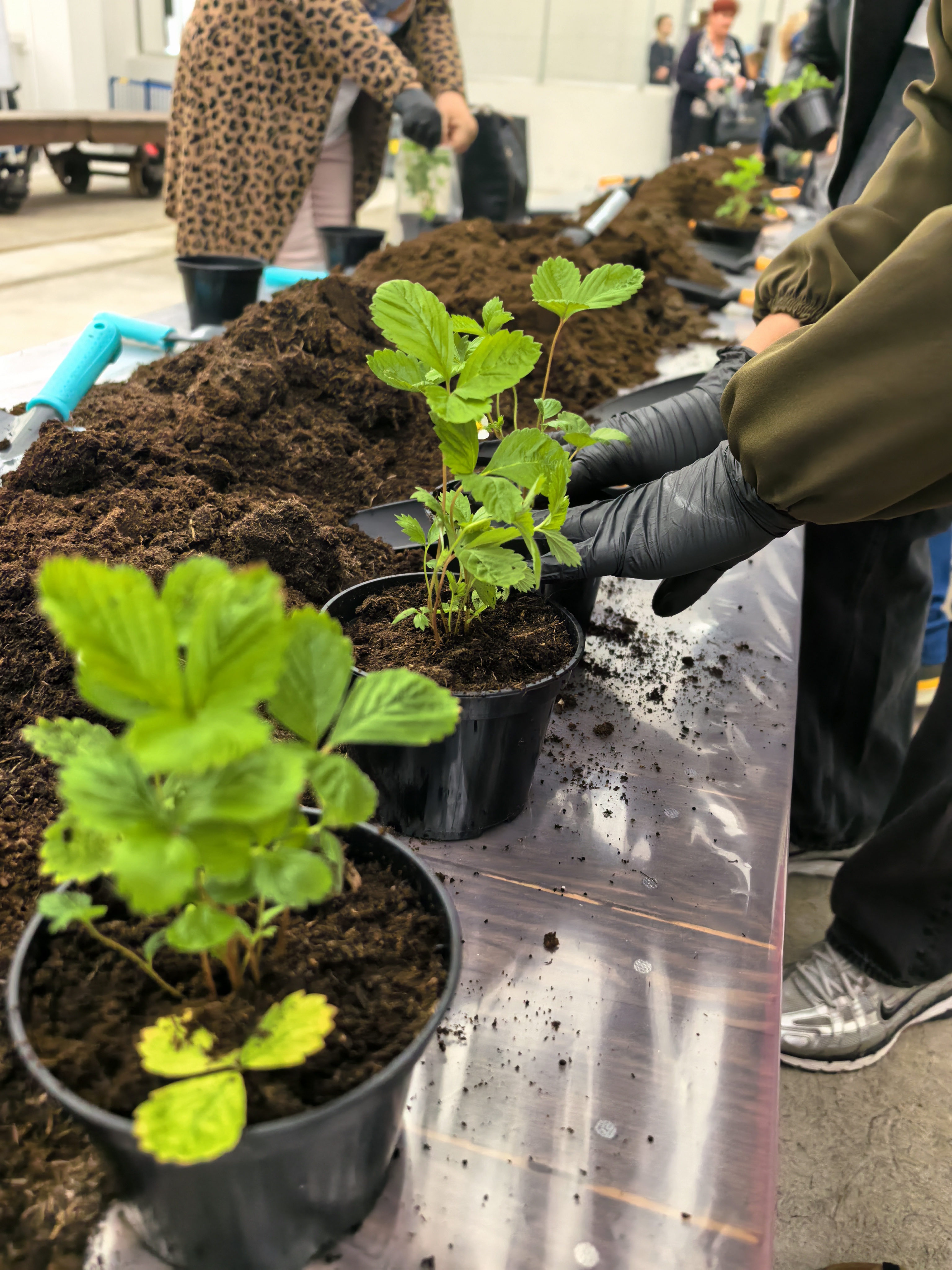
On 10 July 2026, the Polish Living Lab opened the doors of the Institute of Soil Science and Plant Cultivation (IUNG-PIB) in Puławy to an audience that Waste4Soil does not usually engage with directly: people receiving support through the EU food aid programme, who visited the institute through the Caritas of the Archdiocese of Lublin.
The event was organised and hosted free of charge by IUNG-PIB as part of the educational workshop “From Food to the Future” (Od żywności do przyszłości) and brought the Waste4Soil story directly to consumers.
From food waste to healthier soils
Waste4Soil Living Labs typically engage with farmers, food processors, waste managers and other stakeholders involved in generating, processing or using agri-food residues. This workshop offered a different perspective by reaching people at the other end of the food chain and exploring a simple but important question:
What happens to food by-products and waste — and how can they become a resource for the next crop?
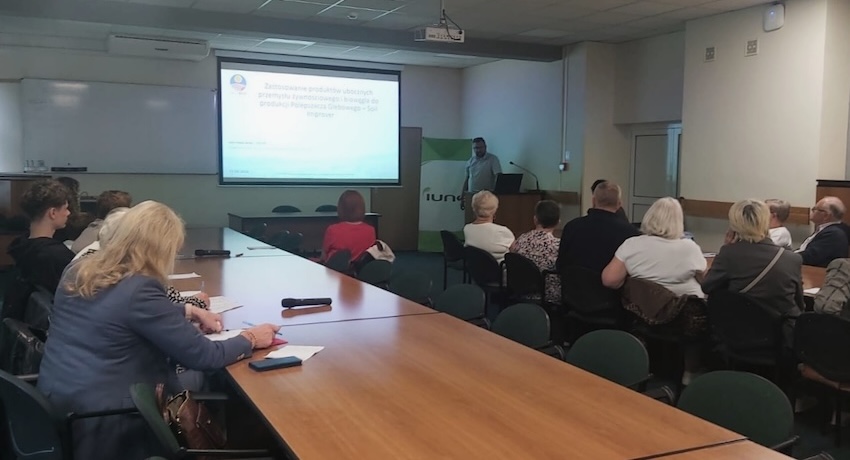
The programme began with a presentation by Dr Adam Berbeć, who introduced the Waste4Soil project and explained how fruit-industry by-products and biochar can be transformed into valuable soil improvers. He also presented the results of the Polish Living Lab, including trials with COMPO-CHAR — a soil improver produced from composted apple and blackcurrant pomace combined with biochar made from orchard prunings. COMPO-CHAR is currently being assessed through both field trials and pot experiments.
This was followed by a presentation from Dr Marta Wyzińska on biochar, focusing on its properties, potential applications and effects on soil quality and crop yields.
Seeing the Living Lab in practice
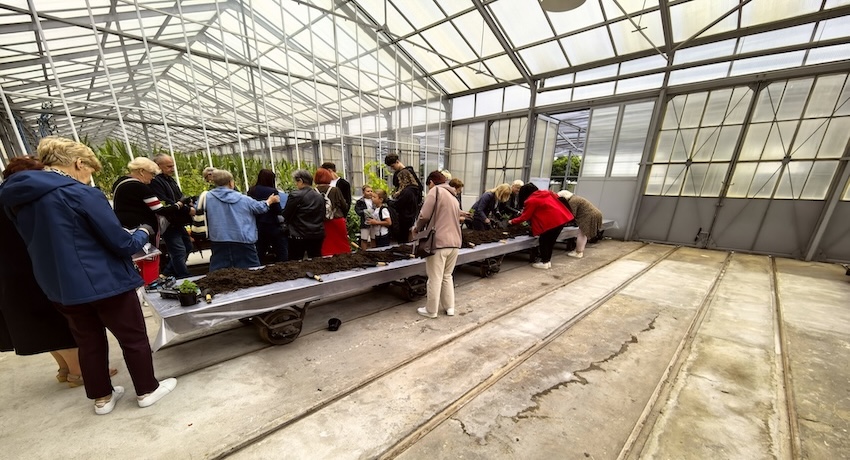
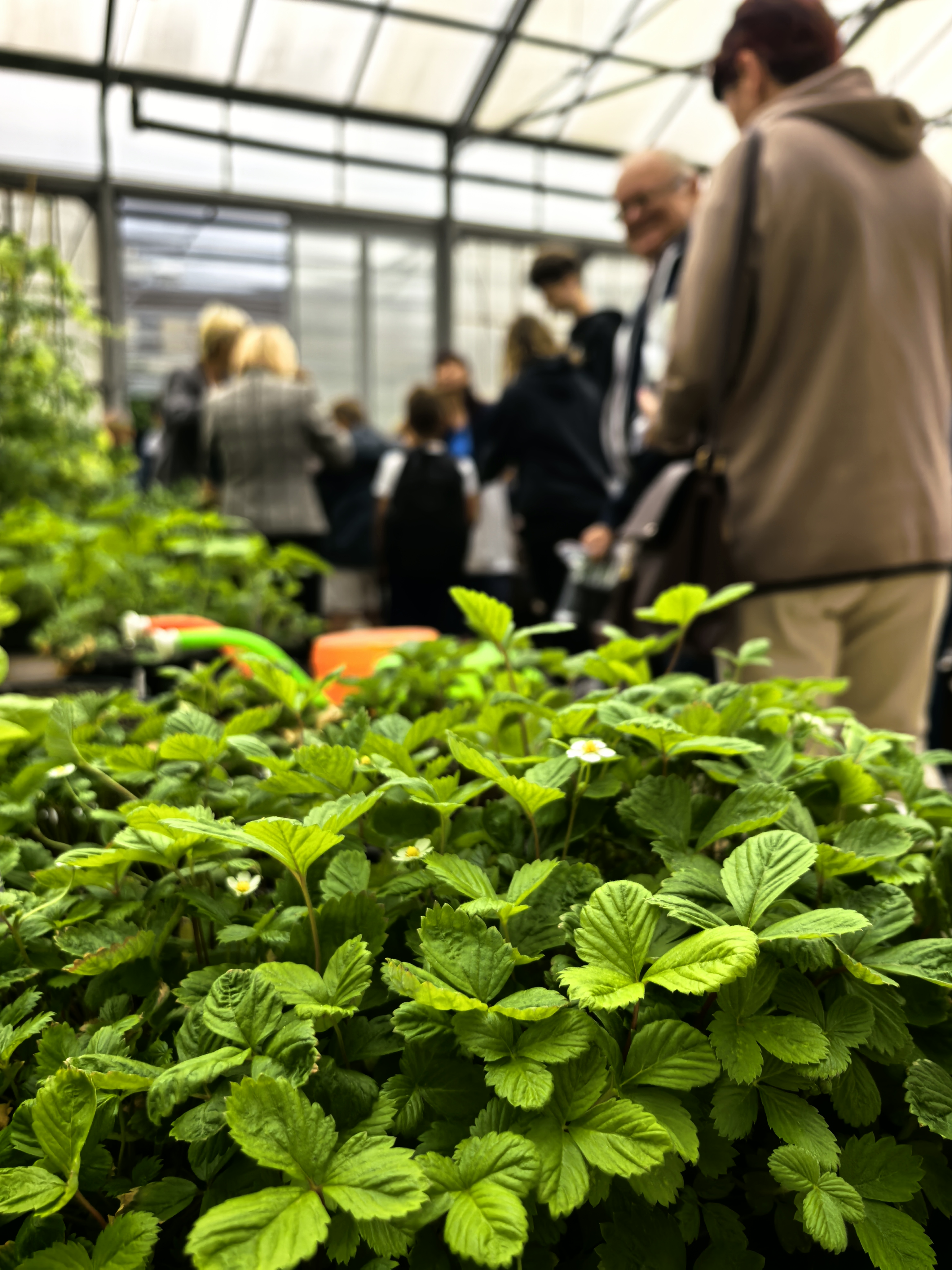
The participants then moved to the IUNG-PIB vegetation hall, where they were given a guided demonstration of the Waste4Soil pot experiments. They could see first-hand how researchers assess the effects of different soil improvers on plant growth.
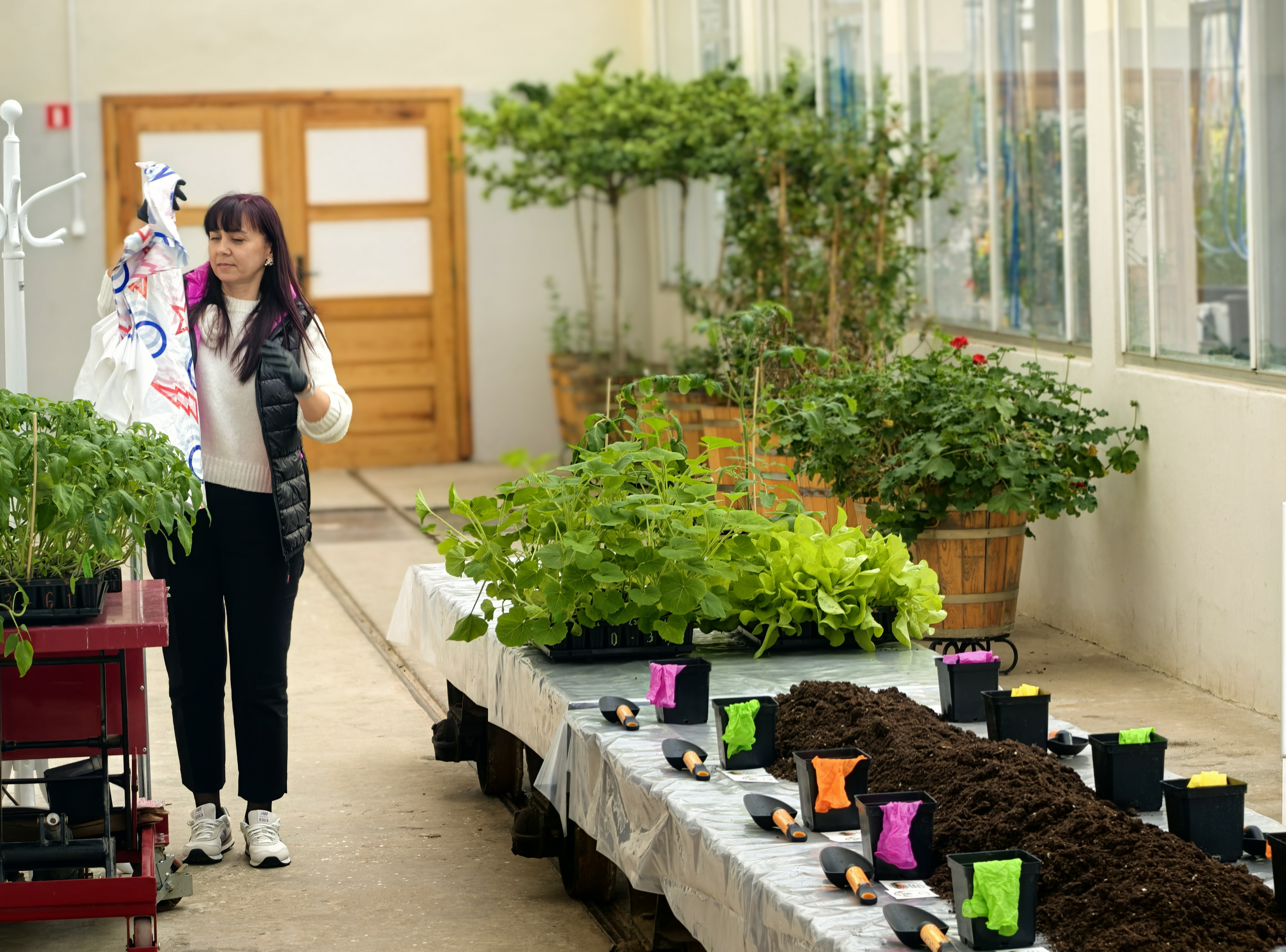
The practical part of the workshop continued with a hands-on session showing participants how to grow plants in pots at home, bringing the scientific concepts closer to everyday life.
The programme also included a visit to the oldest meteorological station in Puławy and a demonstration of drone technology for precision agriculture, highlighting how research and innovative technologies can contribute to more sustainable farming.
Making the circular story tangible
The workshop demonstrated the value of bringing the circular economy concept closer to citizens. Seeing the journey from fruit-industry by-products and pruning residues to soil improvers and growing plants made the concept of turning waste into a resource tangible and easy to understand.
The connection with everyday food consumption also helped illustrate an important message: the residues generated along the food chain do not necessarily have to become waste. Through innovative approaches such as those explored by Waste4Soil, they can be transformed into resources that contribute to healthier soils, more sustainable agriculture and future food production.
The event provided an opportunity for IUNG-PIB to share the work of the Polish Living Lab with a new audience and to demonstrate how research, innovation and citizen engagement can come together to support a more circular food system.
For more information, visit the IUNG-PIB website: https://www.iung.pl/2026/07/14/od-zywnosci-do-przyszlosci-warsztaty-w-iung-pib-w-pulawach/